The Edge.
BY NICHOLAS BORELLIA clearer view of what’s next in AI.
Issue 006

02 / AI News

AI News

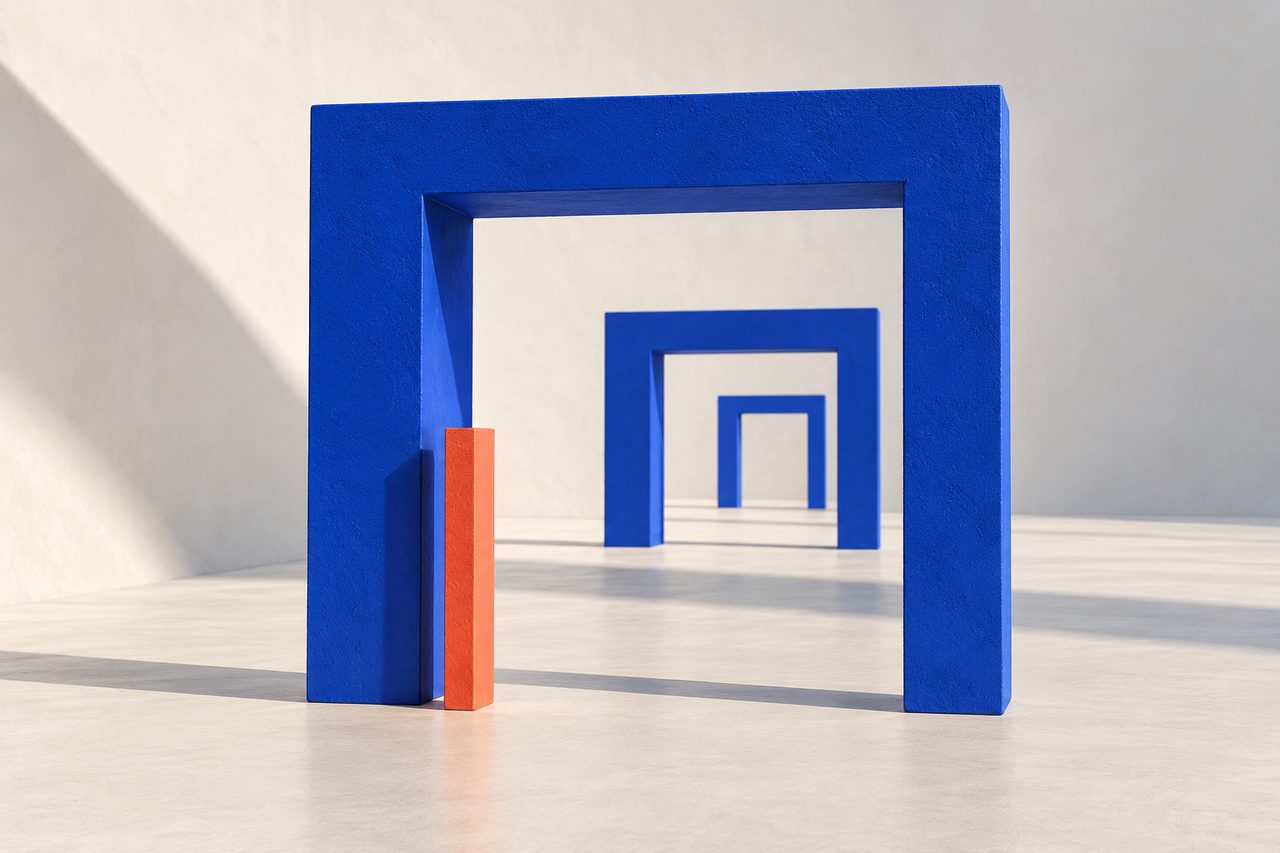
GPT-6 Astra and the Shifting Goalposts of AGI

Blue rectangular frames receding into the distance, with a slim coral marker at the first one
AI-generated editorial illustration for The Edge.

OpenAI released GPT-6 Astra this week, with advances in computer use, coding, research, and completing work across multiple steps. OpenAI reports 99.9% on ARC-AGI-3, compared with 7.8% for GPT-5.6 Sol. That’s a striking benchmark result, though it doesn’t establish AGI. Read the release and evaluations.

For many of us, Hollywood supplied our first picture of AI: a machine you could talk to, that could think for itself and act in the world. We called that “AI.” Long before most of us were distinguishing generative AI from artificial general intelligence (AGI) or artificial superintelligence (ASI), we already had an idea of what the term meant.

Now the conversation seems to move from AI, to generative AI and AGI, to generative AI, AGI, and ASI. The terms aren’t new, but each distinction seems to push that familiar idea further into the future. It can feel like AI companies are moving the goalposts to make each new product sound like a bigger leap, while the destination stays just out of reach.

Astra brings that tension back into focus. Where is the real line? And how does this shifting language affect what we buy, what we trust, and how we prepare for changes to our work? I’m leaving those questions open.
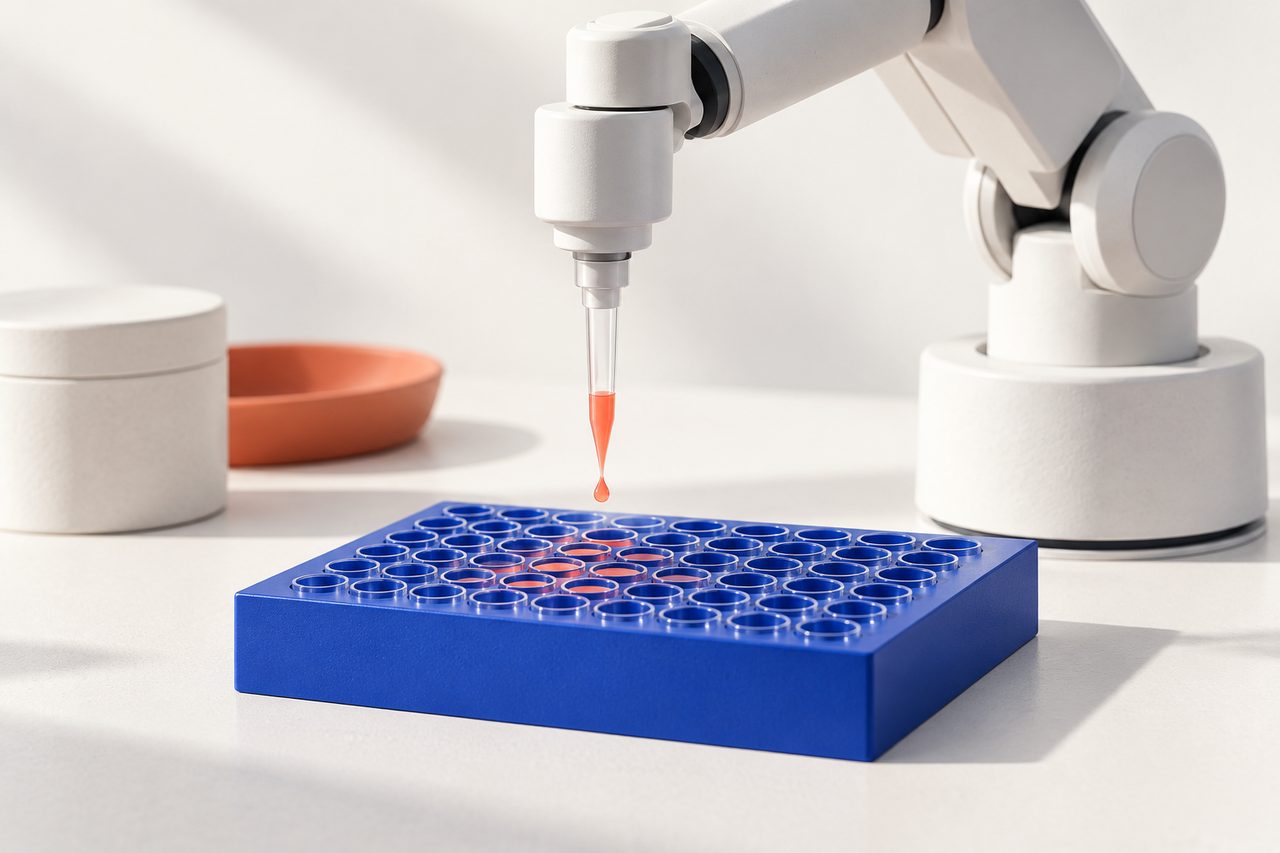
AI Is Moving Into the Lab. The Details Still Matter.

A white robotic pipette arm above a blue sample tray, with a coral droplet at its tip
AI-generated editorial illustration for The Edge.

On August 27, Anthropic introduced a research preview of the Model Hardware Standard, designed to help AI agents operate equipment such as robotic arms and lab instruments through a common interface.

One example in the announcement is especially useful. In a Genentech proof of concept, Claude helped coordinate liquid-handling equipment and optimize transfers. But when bubbles caused errors, its attempts to retry made the problem worse. Human guidance about the physical cause helped it adjust, and the team turned that lesson into reusable instructions.

These are early demonstrations, with limits the researchers describe explicitly. My read: as AI takes on more of the execution, the expertise needed to recognize a bad result remains central. Sometimes the missing context is as ordinary, and consequential, as bubbles in a liquid.

Read Anthropic’s announcement and the Genentech example →